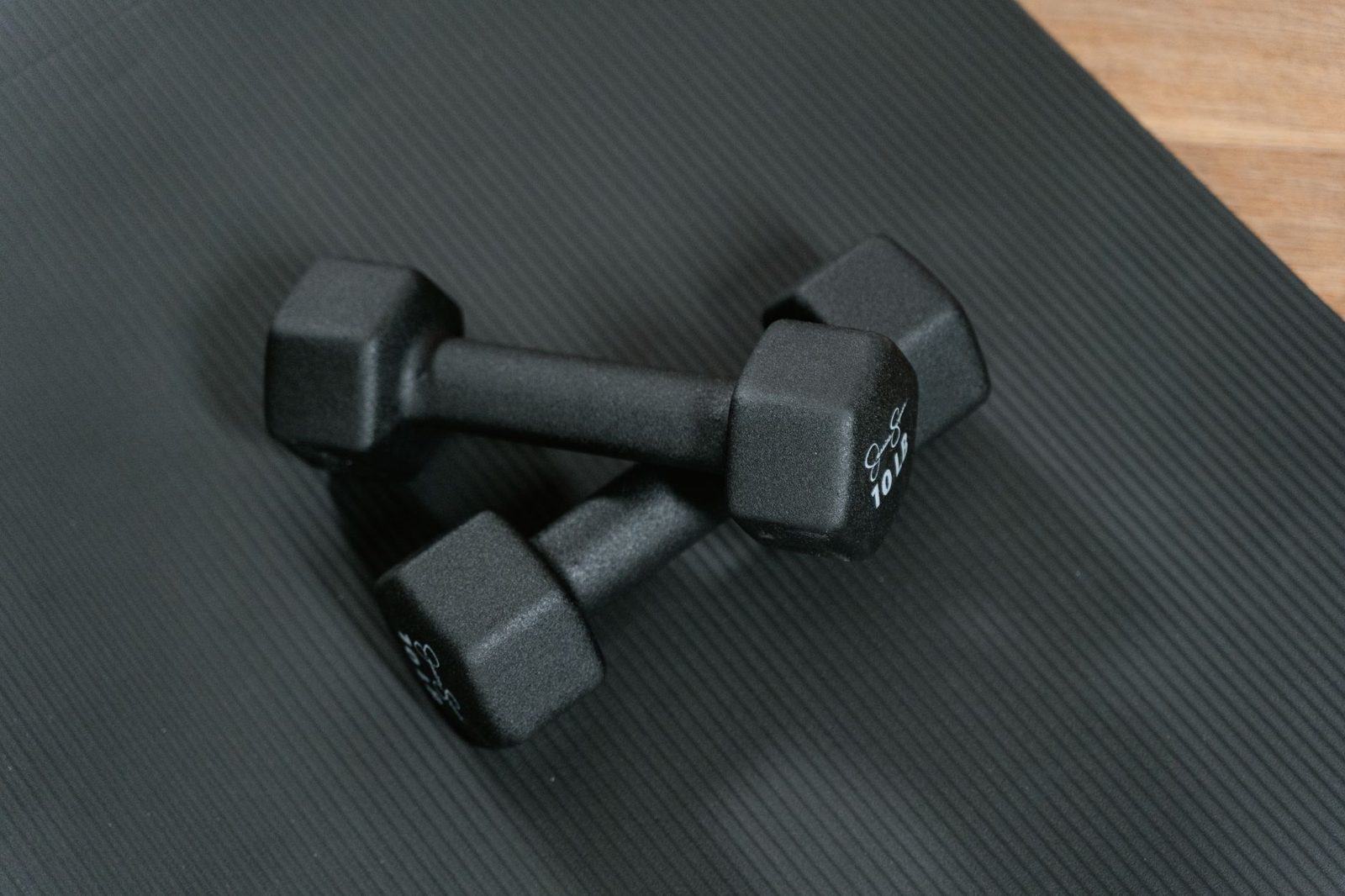
Quick answer: most free weight injuries are avoidable. Research on emergency department cases found that weights dropping on people was the most common cause, so safe home training starts with a clear space, good handling technique, secure storage and loads you can control. Warm up, stop sets before your technique breaks down, keep children and pets away from equipment, and check with a GP or physio if you have a health condition.
How risky is lifting weights?
Resistance training is generally a safe activity when done sensibly. A 2017 systematic review by Keogh and Winwood of the weight-training sports, including weightlifting, powerlifting and bodybuilding, concluded that these sports appear to have relatively low rates of injury compared with common team sports. The most commonly injured areas were the shoulder, lower back, knee, elbow and wrist or hand, and strains, tendon problems and sprains were the most common types.
The picture at home is a little different. Kerr and colleagues analysed weight training injuries seen in US emergency departments between 1990 and 2007. The most common mechanism was weights dropping on the person, at 65.5% of cases, and 90.4% of injuries involved free weights. Children aged 12 and under were more likely to injure their hands. Many of these injuries are about handling and storage, not the exercises themselves.
Set up a safe space
- Clear the floor. Allow room to step, lunge and swing without hitting furniture, walls or people.
- Choose a stable surface. A flat, non-slip floor or protective mat helps with grip and protects flooring.
- Check overhead space. Overhead presses and kettlebell swings need clearance above and in front of you.
- Keep good light. You need to see your feet and the equipment clearly.
- Use a solid bench or chair. The NHS advises choosing a solid, stable chair without wheels that will not slip on the surface for seated exercises.
Lift equipment off the floor properly
Picking up a heavy dumbbell or plate carelessly can be riskier than the exercise itself. The Health and Safety Executive’s good handling guidance, written for workplaces, translates well to the home gym:
- Plan the lift before you do it.
- Keep the load close to your waist for as long as possible.
- Place your feet apart for a stable base.
- Avoid twisting your back or leaning sideways; turn by moving your feet.
- Do not jerk or snatch the load, as this makes it harder to control.
- Do not lift more than you can easily manage.
Warm up and build up
The UK Chief Medical Officers state that starting at low durations and intensities and building up over time is the safest way to become more active. In practice, spend a few minutes moving your joints and raising your temperature, then do one or two lighter sets of your first exercise before working sets. The NHS advises building up gradually over a period of weeks.
Technique before load
ACSM’s 2026 resistance training guidance notes that stopping around two to three repetitions short of failure produces similar strength and muscle gains to taking every set to failure, with less fatigue. That margin is also a safety buffer. If your form changes, for example your back rounds on a deadlift or you lose control on the way down, end the set.
Home safety checklist
| Area | Check | Why it matters |
|---|---|---|
| Floor space | Clear area around you, no trip hazards | Room to move and to drop a weight to the side safely |
| Equipment | Handles tight, collars secure, no cracks or loose parts | Loose plates and handles can fall |
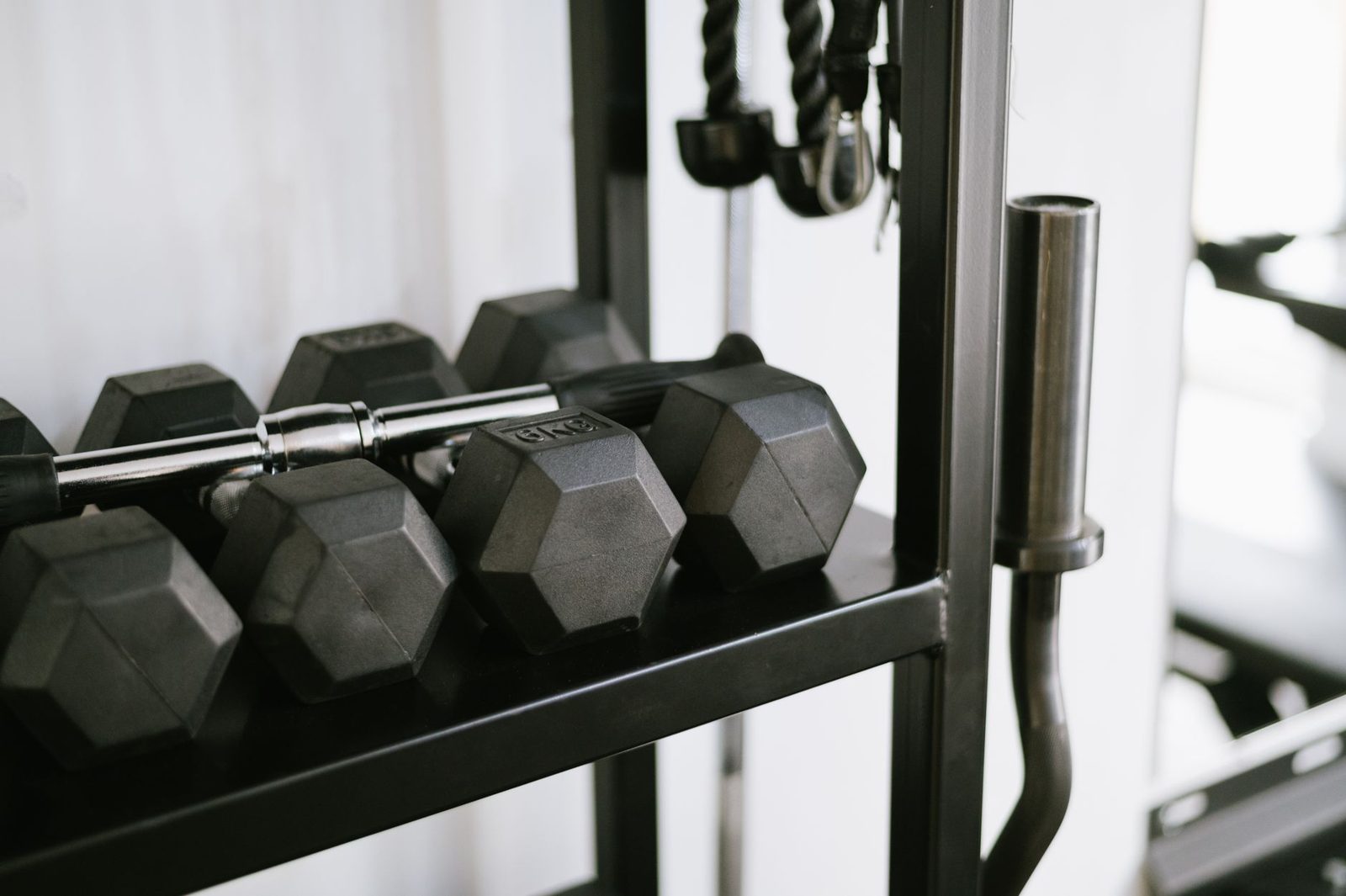
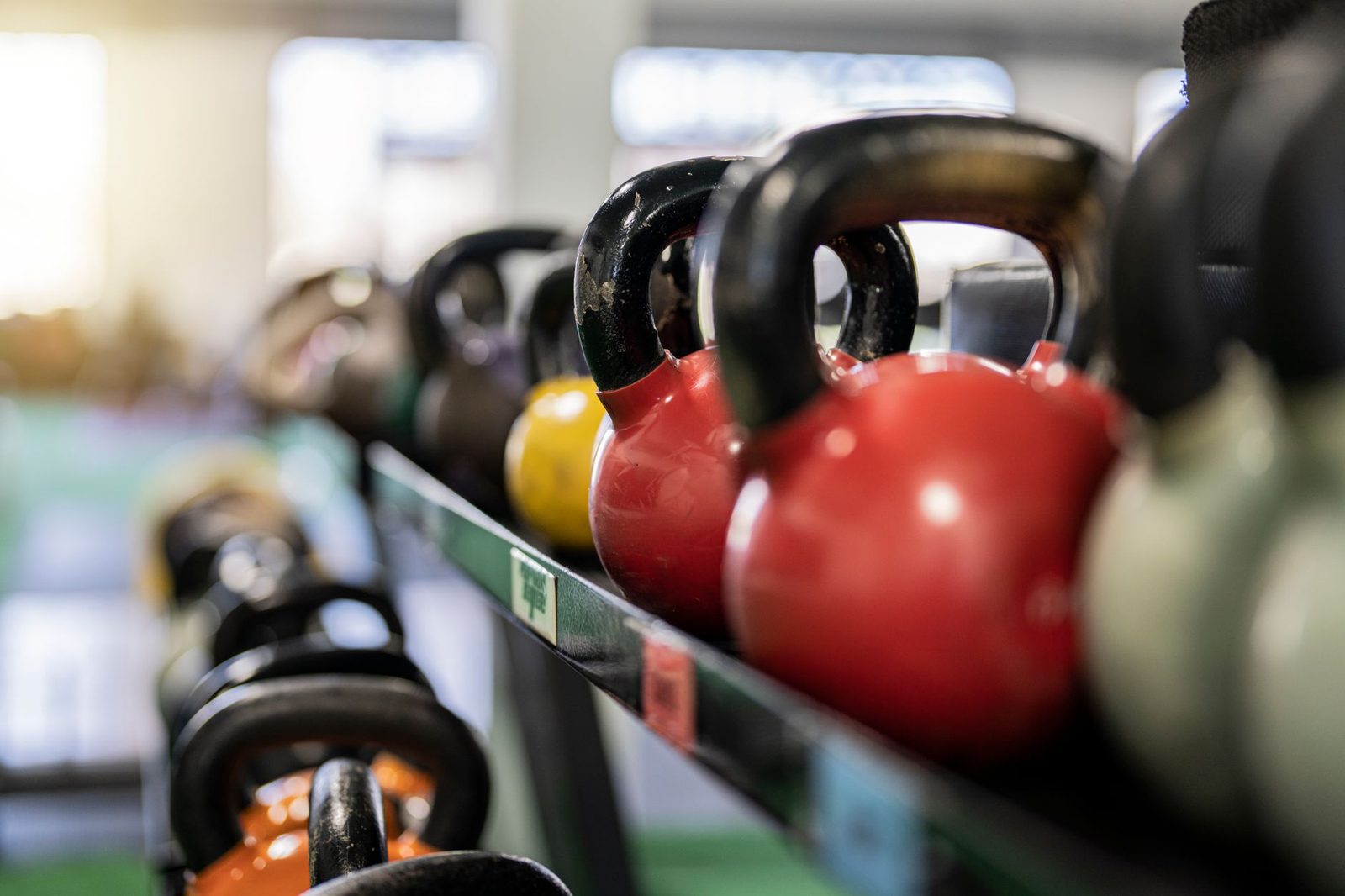
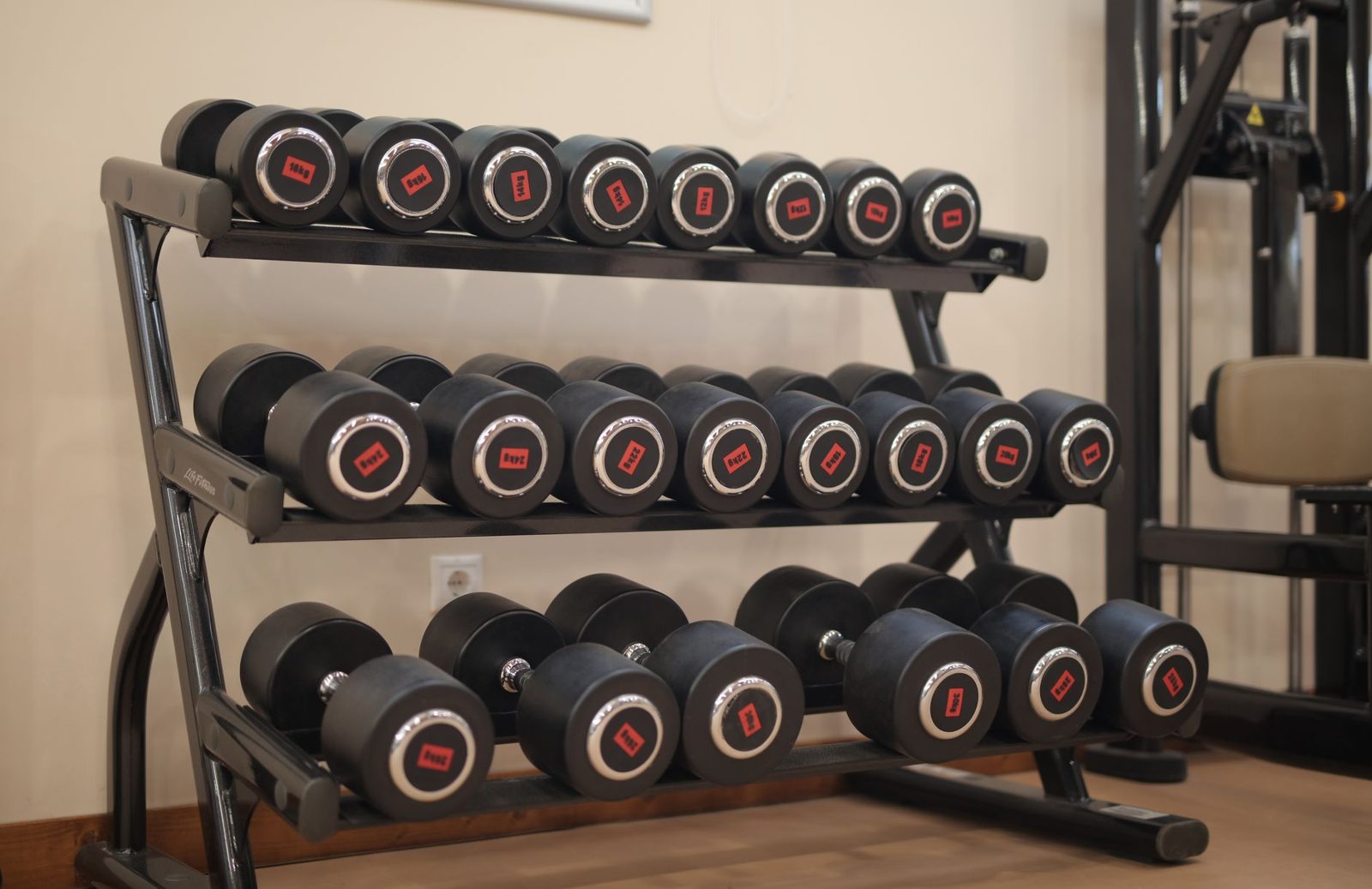
| Storage | Weights on a rack or low shelf, not stacked high | Dropping weights was the top injury mechanism in emergency data |
| Children and pets | Out of the room during sessions; equipment stored out of reach | Young children were more prone to hand injuries |
| Load | A weight you can control for every rep | Losing control is when accidents happen |
| Body | No sharp or unusual pain; not unwell | Pain is a signal to stop and seek advice |
Know how to bail out
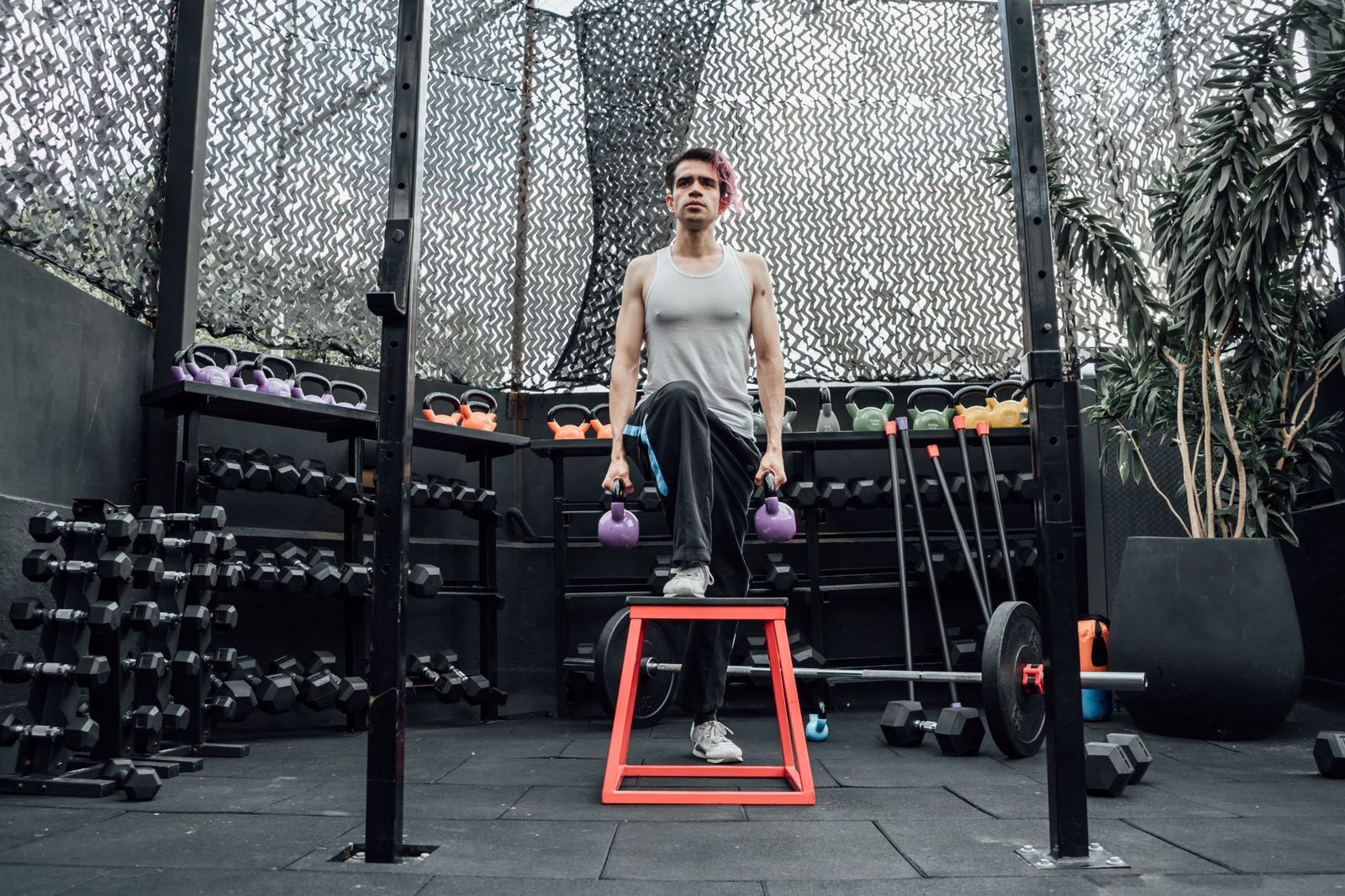
With dumbbells and kettlebells, the safest failed rep is usually one where you can lower or drop the weight to the side, away from your feet. Before you start a set, decide what you will do if you cannot finish it. For barbell pressing or squatting at home, only go heavy if you have safety supports that can catch the bar. Without them, choose dumbbell or kettlebell versions of the exercise instead.
Home gym etiquette
Etiquette sounds like a commercial gym idea, but it matters at home too, especially in shared spaces.
- Re-rack as you go. Put each weight back after the set, not at the end of the session.
- Keep sets matched. Store pairs together so nobody grabs mismatched dumbbells.
- Tell people you are training. Ask others to stay clear of your space during swings or overhead lifts.
- Respect the neighbours. Place weights down rather than dropping them, and use mats to reduce noise.
- Wipe equipment down. Sweat on handles makes them slippery and speeds up wear.
Looking after your equipment
Inspect your weights every few weeks. Tighten any adjustable handles or locking mechanisms according to the maker’s instructions, check rubber coatings for splits, and dry iron equipment to limit rust. Retire anything with a cracked handle, a loose head or a plate that no longer fits snugly.
When to stop and get advice
If you feel unwell during a session, stop. For sharp or persistent joint pain, stop the exercise and speak to a GP or physiotherapist. The NHS advises speaking to a GP first if you have not exercised for some time or have medical conditions or concerns.
Health note: this article is general education, not medical advice. If you have a health condition, an injury, are pregnant, or have not exercised for a long time, check with your GP or a physiotherapist before starting or changing a training plan, and stop if an exercise causes pain.
Sources
- Keogh and Winwood (2017) The epidemiology of injuries across the weight-training sports, Sports Medicine (europepmc.org)
- Kerr, Collins and Comstock (2010) Epidemiology of weight training-related injuries presenting to United States emergency departments, 1990 to 2007, American Journal of Sports Medicine (europepmc.org)
- Good handling technique, Health and Safety Executive (hse.gov.uk)
- Strength exercises, NHS (nhs.uk)
- How to improve your strength and flexibility, NHS (nhs.uk)
- Physical activity guidelines for older adults, NHS (nhs.uk)
- UK Chief Medical Officers’ physical activity guidelines (2019), Department of Health and Social Care (gov.uk)
- ACSM unveils landmark 2026 resistance training guidelines, American College of Sports Medicine (acsm.org)